What to check before replacing windows and entry doors
Windows and doors are among the most visible parts of a house. They let in light, frame the view, and connect the indoors to the outdoors. When they stop doing their job well, the whole home feels it. Drafts creep in, energy bills climb, and rooms look tired. The trick is knowing when the time has come to swap them out rather than patch them up again.
For homeowners in Bowling Green, Kentucky, the weather itself becomes a test. Hot, humid summers put pressure on seals and frames, while cold winter winds find every gap. If you have been wondering whether your existing units are still doing their job, a few simple checks can give you the answer.
Look for visible damage and wear
The easiest place to start is the glass and the frame. A cracked pane is an obvious sign, but small chips around the edges matter too. They can spread as temperatures change. On double-glazed units, look for fogging or condensation between the panes. That means the seal has failed and the insulating gas has leaked out. The window still opens and closes, but it no longer insulates the way it should.
On the frame itself, check for rot, soft spots, or peeling paint. Wood frames that feel spongy near the sill have likely taken in moisture over time. Vinyl or composite frames may show warping or cracks, especially on the side that faces the sun. If you can push a screwdriver into the frame easily, the material has broken down. Replacement is the only real fix at that point.
Check how the window opens and closes
A window that sticks, jams, or requires force to move is not just annoying. It often means the frame has shifted out of square, or the sashes have swollen from moisture. Over time, that misalignment creates gaps where air can leak. On double-hung windows, the sash should slide up and down with a light touch. If it tilts or binds, the hardware may be worn or the frame may have settled.
Entry doors have their own version of this problem. A door that scrapes the floor in summer but clears it in winter is a sign of expansion and contraction that the frame cannot handle. Doors that stick at the top corner or have a visible gap at the bottom are letting conditioned air escape. If the door no longer latches cleanly, the strike plate may need adjustment, but repeated adjustments usually mean the door itself is out of shape.
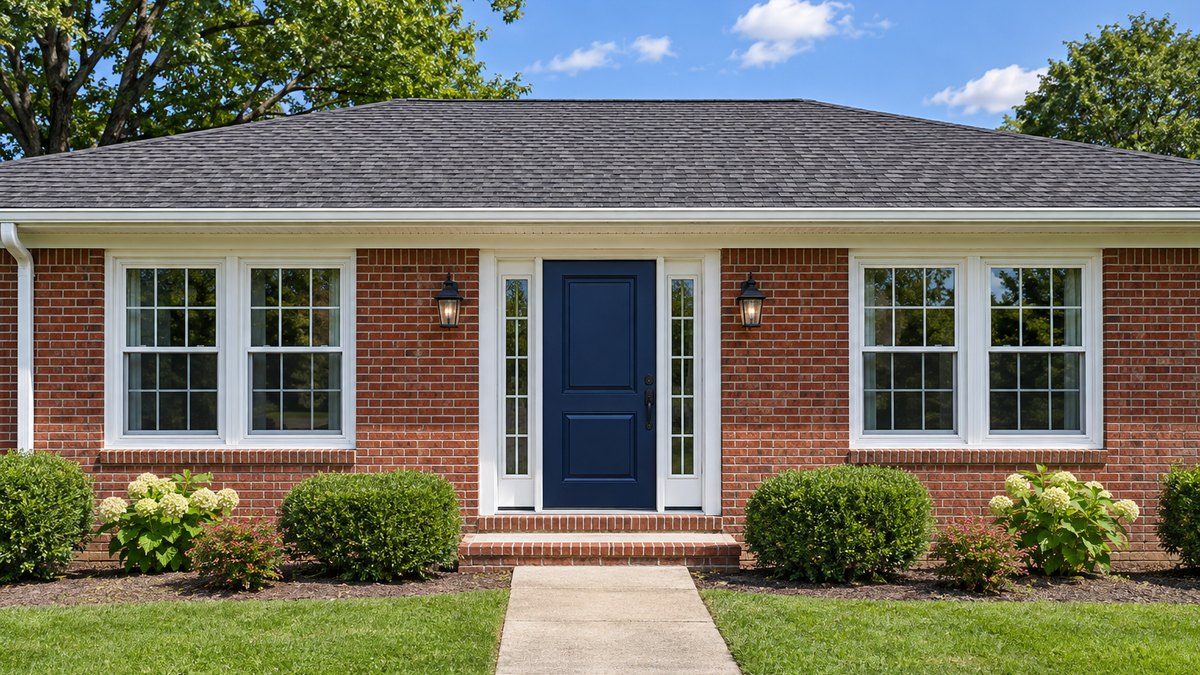
Feel for drafts and temperature changes
Walk around your home on a breezy day. Hold your hand near the edges of each window and door. A noticeable draft means the weatherstripping has worn thin or the frame has pulled away from the wall. In older homes, the original windows may never have had a proper seal. Even with storm windows, the air leakage can be significant.
If you want a more precise check, light a stick of incense and watch the smoke near the edges. It will flicker or pull toward any leak. That simple test shows exactly where the air is moving. Once you know, you can decide whether new weatherstripping would help or whether the whole unit needs to go. For many homes in Bowling Green, the answer is the latter, especially when the frames are older than twenty years.
Listen for noise
Windows and doors are supposed to block some of the sound from outside. If you can hear traffic, neighbors, or wind clearly through a closed window, the seal is compromised. Double- or triple-pane glass with a good seal cuts noise noticeably. When that seal fails, sound travels right through.
Single-pane windows, which are still common in older homes, offer almost no sound insulation. Replacing them with insulated units changes the feel of the rooms near a busy street or a loud air conditioner. The same goes for an entry door that has a hollow core or a worn sweep at the bottom.
Watch your energy bills
Heating and cooling costs rise when the building envelope leaks. If your bills have crept up even though your habits have not changed, old windows and doors are a likely cause. The U.S. Department of Energy estimates that heat gain and loss through windows account for a large share of household energy use, but the exact numbers depend on your home. You do not need a study to see the pattern: if the rooms near the draftiest windows are the hardest to keep comfortable, the windows are working against your HVAC system.
Replacing inefficient units with better ones pays back over time. For homeowners looking into replacement windows Bowling Green options, the goal is to get units that fit the local climate. Products such as Endure vinyl windows, available through local installers, are designed to handle temperature swings without warping or losing their seal.
Check the condition of the sill and threshold
The sill of a window takes the brunt of rain and sun. On wood windows, the sill is often the first part to rot. If the paint is peeling and the wood underneath is dark or crumbly, moisture has gotten in. On vinyl windows, the sill may look fine but can have hidden cracks where water collects. A damaged sill lets water seep into the wall cavity below the window, which can lead to mold and structural rot over time.
For entry doors, the threshold is the piece that sits on the floor under the door. A threshold that is cracked, rusted, or loose cannot seal properly. Water can wick under the door, and bugs can crawl through the gap. If the threshold is aluminum and has corroded, replacement is straightforward. But if the subfloor under it has rotted, the job gets bigger. That is a sign that the door has been leaking for a while.
Consider the appearance from inside and out
Faded, chipped, or outdated windows and doors drag down the look of a house. If the frames are a different color than the siding, or the muntins are a style that no longer matches the neighborhood, new units can refresh the whole facade. On the inside, windows that are hard to clean, have broken hardware, or have lost their clarity make rooms feel neglected. An entry door that looks tired sets the wrong tone for visitors and for your own sense of coming home.
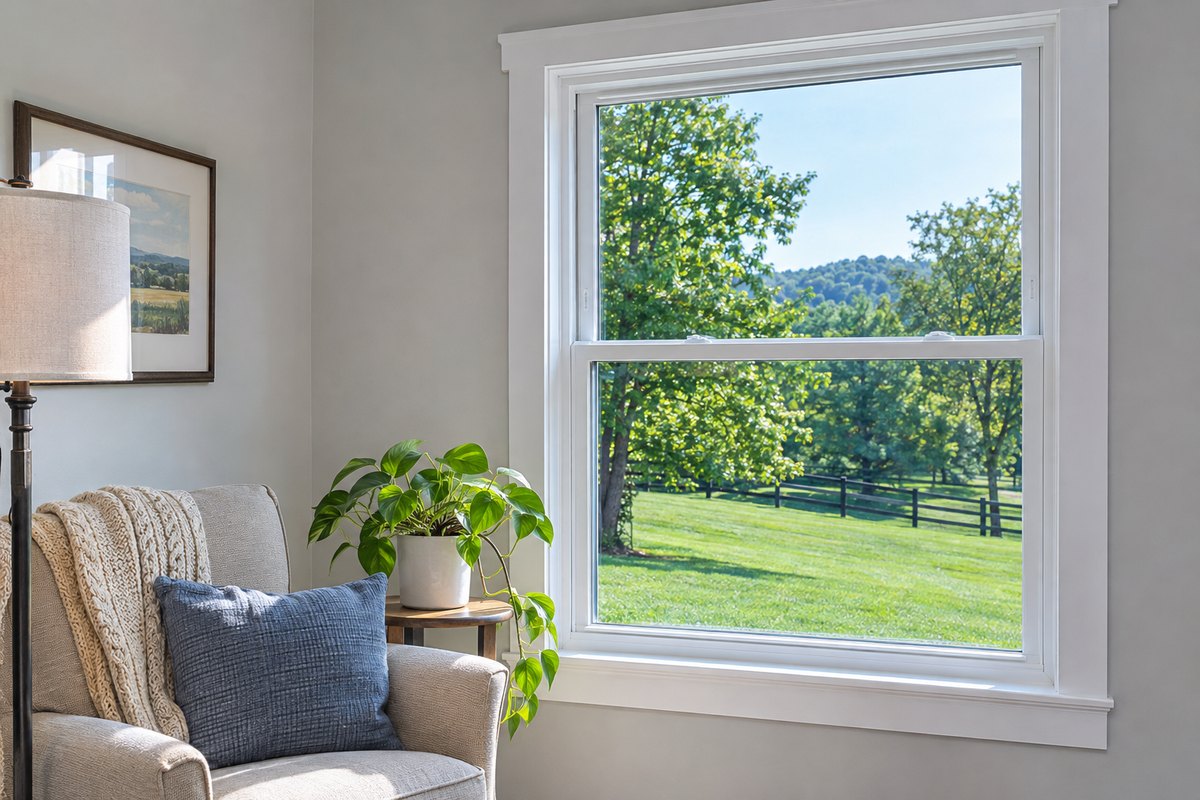
Modern windows and doors come in a range of styles that suit older homes as well as new construction. ProVia, for instance, offers doors that combine fiberglass and steel for durability and insulation. They are built to last through Kentucky summers and winters without the surface degradation that affects wood or plain steel doors.
Know when to call a professional
Many of the checks above are things you can do yourself with no tools and no risk. If you find a crack, a draft, or a sticking sash, you might be able to replace weatherstripping or adjust hinges. But when the frame itself is rotted, the glass is fogged, or the door no longer sits square in the opening, the job calls for a professional installer. Pulling out an old window without damaging the surrounding wall, fitting a new unit to the rough opening, and sealing it properly takes skill and the right tools.
For homeowners in the area, a search for replacement windows Bowling Green will turn up installers who know the local building codes and climate. Bath Planet of Bowling Green, for example, installs Endure vinyl windows and ProVia doors. Their focus is on products that offer good insulation, low maintenance, and a clean fit. A professional can also help you pick the right glass package, frame color, and hardware to match your home without guessing.
The decision to replace windows and doors is not always urgent. But once you start noticing the signs, they tend to get worse. A drafty window this winter will be a hotter window next summer. A sticking door today will be a jammed door next season. Checking these points now lets you plan the work on your own schedule, instead of rushing when a window breaks or a door will not close.
Ends · GETHOMEREMODELINGJOURNAL